
A $686.1 billion budget was allocated to the Department of Defense in 2019 for the purchase of military hardware. According to reports, $617 billion of the funding—an increase from $612 billion four years earlier—will go toward war funding, leaving $69 billion for other purposes. It is not surprising that the American military has some of the most intimidating military vehicles in the world given the amount of money that is spent on military funding. Although the US vault contains a number of legendary cars, the ones shown in this gallery are regarded as being more advanced. There is something on this list for everyone to check out, regardless of your interest in the army or military vehicles. Which of these military vehicles do you find to be the most fascinating of all time?

The World’s Most Interesting Military Vehicles
Buffalo Clearance
This Buffalo Clearance Vehicle is 27 feet long and 76,000 pounds in weight. It is a 55 mph mine-protected route clearance vehicle (MPCV), making it one of the most expensive vehicles in the vault. A 30-foot robotic arm equipped with a camera and other sensory equipment is included to help prevent hazardous routes.

Buffalo Clearance
Black Knight Transformer
Occasionally, speeding down a desert at 70 mph isn’t exciting enough. You will enjoy riding the Black Knight Transformer if that is the case. It is a hybrid helicopter/truck that can soar 10,000 feet in the air. The idea for this transformer was first presented in 2012, and it has since been undergoing development. This is ideal if you would rather fly than drive.

Black Knight Transformer
Airbus Beluga
The Beluga, formerly known as the Airbus A300-600ST, is indeed an airliner with a wide-body design that has been modified to carry oversized cargo and aircraft parts. Its carrying capacity is 54 tons, which is significantly more than that of most other aircraft. The airbus, which is known as the “Super Transporter” due to its size, is also referred to as the “Beluga” because of its resemblance to a beluga whale.

Airbus Beluga
NASA Super Guppy
Aero Spacelines’ first airplane, the Super Guppy, was built. While the Airbus Beluga succeeded the Super Guppy as the replacement for this cargo-only aircraft, some Pregnant Guppys are still in use today. Based on the size, five different Guppy variants have been used to construct the Super Guppy airplanes.

NASA Super Guppy
M109A7 Tank
The US Army Armored Brigade Combat Team (ABCT) relied on the M109A6 Paladin for a very long time. But because the Paladin required an upgrade, BAE Systems decided to update the outdated design. Following some adjustments, the M109A7 was made available with modernized technology, a more combat-ready design, and a revised chassis. A new digital suite is also included in this upgrade to make it simpler to use in battle.

M109A7 Tank
AAV7
The AAV7 is a multipurpose assault vehicle used primarily in marine operations. It has a maximum capacity of 25 soldiers and needs a crew of 3. The maximum speed of the amphibious vehicle is 20 mph in the water and 300 mph on land. In addition to the 40mm grenade launcher, it also features a 25mm Bushmaster cannon.

AAV7
P-19R Aircraft Firefighter
The military only uses the P-19R Aircraft Firefighter on rescue missions. This super vehicle can transport 1,030 gallons of water and 130 gallons of foam agent. Despite its remarkable technical specifications, Oshkosh Defense went and made a better one in 2016. If an airplane crashes in enemy territory, this is the vehicle to use to recover it.

P 19R Aircraft Firefighter
Humvee
The Humvee should be on every best military vehicle list. As a consumer vehicle, the Humvee has been on sale for a long time, making it one of the oldest vehicles in the storage facility. The civilian Humvee lacked the armament, armor, and 6.5-liter diesel engine of the military model. The military variant also featured a four-wheel drive system suitable for varied terrain.

Humvee
Autonomous Terramax
After its initial debut, the Autonomous Terramax failed to garner much interest. While Google was making headlines with its self-driving car, Oshkosh was busy developing a vehicle to ensure the safety of our troops overseas. The idea behind the vehicle is simple: they need a way to keep as many troops as possible out of harm’s way. Although it is effective, it could benefit from further enhancements.

Autonomous Terramax
QinetiQ Raider
The QinetiQ Raider is deceptive in appearance, as it is a highly adaptable vehicle that can be piloted remotely from a distance of one thousand yards. Aside from keeping soldiers safe, it is used to locate and destroy IEDs. The Raider 1 took inspiration from the Polaris MVRS700, and it features clearance tools as well as engineer support during evacuations.

QinetiQ Raider
M9 Armored Combat Earthmover
It has been said that once the Armored Combat Earthmover (ACE) is up and running, it is an unstoppable force. As a result of its reliability and durability, it has become an essential military vehicle, and this trend shows no signs of abating any time soon. This vehicle can be used to overcome riverbanks, destroy obstacles, provide cover for friendly troops, and shield individuals while constructing and destroying defensive barriers. Having a car like this on hand is very helpful.

M9 Armored Combat Earthmover
M142 HIMARS
The wheeled rocket launcher is known as the M142 High Mobility Artillery Rocket System (HIMARS). Six M270 rockets, or one MGM-140 ATACMS, can be launched from this mobile rocket launcher to a range of 186 miles. Additionally surprising is the HIMARS’s top speed of over 50 mph and overall range of 300 miles. This aircraft was created by Lockheed Martin.

M142 HIMARS
CAMEL MRAP
Detroit Arsenal has produced an 8×8 concept vehicle called the “Concept for Advanced Military Explosion Mitigating Land Vehicle,” or CAMEL, to showcase the future of armed vehicles. Defense contractors used the opportunity to showcase their cutting-edge innovations in response to feedback from recent campaigns. Finally, the vehicle’s base is in the shape of a v, making it more secure against IEDs.

CAMEL MRAP
M88A2 Hercules
Due to its unparalleled strength, this military vehicle has taken part in a number of high-profile campaigns. The M88A2 was made to have a constant pulling power of 70 tons and a weight of 35 tons. With its 1,050 horsepower engine, this vehicle can travel at a rate of 30 miles per hour. One well-known use of the M88A2 was to bring down a statue of a foreign dictator.

M88A2 Hercules
Cougar MRAP
An ambush-protected military vehicle like the Cougar. The 6×6 configuration is the top of the line. This MRAP is equipped with an automatic grenade launcher and can withstand rocket-propelled grenade fire. There is also a C-7 diesel engine available in the 6×6 Cougar that generates 350 hp and 860 lb-ft of torque. The Cougar’s fuel capacity allows it to travel 600 miles without refueling.

Cougar MRAP
The LVSR Wrecker
When it comes to supporting vehicles, marines should opt for the LVSR MKR15, which is a 10×10 vehicle. The common misconception is that this vehicle is used for trash collection, but that is not the case at all. Vehicle for Search and Rescue (LVSR) Wrecker. Its primary function is to extract vehicles that have become mired in sand, snow, mud, or any other type of terrain, and it can haul as much as 96,000 pounds.

The LVSR Wrecker
M1A2
There are many steps involved in the development, testing, and eventual release of a new military tank. Before the introduction of the M1A2 in the 1990s, the M1A1 was widely regarded as one of the best military tanks available. The M1A2 is based on the same chassis as the M1A1, but its armor is made of depleted uranium.

M1A2
Global HET
The military utilizes the Global Heavy Equipment Transporter when an assault tank with a limited range needs to be relocated to a region accessible only by air. The Caterpillar C18 engine gives this military vehicle a whopping 700 horsepower, making it one of the most powerful vehicles in its class. To make things easier, it can carry a maximum of 72 tons.

Global HET
Northrop Grumman B-2 Spirit
The B-2 Spirit bomber, a stealth aircraft that can fly under the radar without being detected, is the most expensive and cutting-edge military plane in the world. About $2 billion is needed for each of these planes.

Northrop Grumman B 2 Spirit
M2 Bradley
As a tank, the M2 Bradley has all the makings of a formidable fighting machine. You can fit ten soldiers inside this tank and travel at speeds of up to 35 miles per hour. Armor-busting missiles, a 22mm Bushmaster cannon, and a 600-horsepower engine are just some of the features of the Bradley. The M2 Bradley tank is the best option for use in rescue operations.

M2 Bradley
M1 Shredder
The Marines and the Army put this powerful tank into service to replace the M1 Grizzly. The massive M1 tank, which appears to be a weapon, is actually used to clear the way for other units and vehicles. The M1 Shredder then clears the obstructions in its path by pushing through any objects or vehicles that are in the way. Additionally, it has grenades.

M1 Shredder
M1117 Guardian
Speed isn’t the most important consideration when it comes to military vehicles. How much power the engine uses up is the more crucial query. With the M1117, the story is altered because it can travel at a speed of 70 mph as opposed to the majority of large military tanks, which have a top speed limit of 25 to 45 mph.

M1117 Guardian
Stryker Combat Vehicle
When soldiers need to be transported to a new battle zone or location, they require a vehicle that can provide them with protection. Transport vehicles are one of the military’s most important types of vehicles. The Stryker Combat Vehicle steps in to help with that. This eight-wheeled military vehicle can withstand fire from a variety of weapons. In order to increase protection, they added anti-tank guided missiles in 2016.

Stryker Combat Vehicle
Lockheed C-5 Galaxy
The C-5 Galaxy is another military vehicle that is used to transport large loads. This is one of the biggest military aircraft, and building one is expensive. The least expensive model currently costs $100.37 million, but the cost can go as high as $224.29 million. The C-5 Galaxy has been in use ever since it was first introduced in the 1970s.

Lockheed C 5 Galaxy
Convair XC-99
The Convair XC-99 is not only one of the earliest military aircraft, but also one of the largest aeroplanes ever built. With its double cargo decks, this aircraft was built to have a carrying capacity of 100,000 pounds and accommodate up to 400 soldiers. Ten years after it was first introduced in 1947, this aircraft was retired. The largest piston-engined transport aircraft ever built and used is the XC-99.

Convair XC 99
Blohm & Voss BV 238
German flying boats known as the BV 238 were built during World War II. When it was first introduced in 1944, it was the heaviest aircraft at the time. The weight of the BV 238 when empty was 120,760 pounds, and only one model was produced due to the extensive manufacturing requirements. It continues to be the biggest aircraft ever used in combat.

Blohm & Voss BV 238
HK-1
The transatlantic transport aircraft HK-1, also known as the Spruce Goose, is made primarily of birch. It was never completed in time to be used during World War II, and even then, the manufacturers were only able to produce one prototype. The aircraft was only flown once, in 1947. This prototype is on display at the Evergreen Aviation and Space Museum for World War II enthusiasts to see.

HK 1
Antonov An-124
One of the few aircraft used for both commercial and military purposes is the An-124, a 226-foot aircraft produced by the Antonov Design Bureau in the 1980s. They produced more than 50 models, and every single one of them is in use today. It was regarded as the world’s heaviest quad jet for thirty years and is currently the second-heaviest cargo aircraft.

Antonov An 124
Antonov AN-225 Mriya
The AN-225 is a cargo airlift aircraft powered by six turbofan engines. It continues to be the longest and heaviest aircraft ever constructed. The AN-225 was initially created in the 1980s to transport the USSR’s Buran spacecraft. Additionally, this aircraft has the longest wingspan ever measured and has a maximum takeoff weight capacity of 640 tonnes.

Antonov AN 225 Mriya
Ilyushin II-76
When the Cold War was at its worst, the Ilyushin II-76 was constructed. This aircraft is still in use today, and there are currently about 1,000 of them operating worldwide. It was originally designed as a multi-purpose aircraft with the USSR in mind, but the Russian army later adopted it to transport military equipment and vehicles.

Ilyushin II 76
Boeing C-17 Globemaster III
One of the biggest military aircraft to ever fly in public is this one. The Globemaster III was created for the first time in 1991 and continued to be produced until 2015. Unfortunately, its production was stopped. McDonnell Douglas created this potent vehicle, and each one cost about $218 million to produce.

Boeing C 17 Globemaster III
RG-31 Nyala
As far as our fleet goes, the RG-31 Nyala is among the hardest options. This massive 44 is equipped with armor that can withstand anything from small arms fire to roadside bombs powerful enough to destroy tanks. Even with its robust protective plating, the RG-31 is both productive (it has room for nine people, including the driver) and potent (its most potent configuration is powered by diesel engines that can generate over 400 horsepower).

RG 31 Nyala
LAV-25
One of the more adaptable military vehicles is the LAV-25 (Light Armored Vehicle). Its 275 horsepower allows this 88 monster to reach speeds of 62 miles per hour on dry land. Certainly, the LAZ-25 is amphibious, with a top speed of six miles per hour on the water. The M242 25 mm chain gun and M240 7.62 mm machine gun make this vehicle ready for battle on land or sea.

LAV 25
Avenger Weapon System
For a long time, the Army’s first choice when a mobile attack was required was the Avenger Weapon System. The AWS is more of a bombardment machine than a vehicle, as it is equipped with eight stinger missiles that can destroy a wide variety of targets, including helicopters and airplanes flying at low altitudes. Boeing has created a vehicle with similar capabilities for both the US Army and the Egyptian military.

Avenger Weapon System
BvS 10 Viking
The BvS 10 Viking, an upgraded version of the Swedish Army’s Bv 206, was developed by the Swedish company Hägglunds in conjunction with the United Kingdom’s Ministry of Defense. The amphibious vehicle has a heavy machine gun, smoke grenade launchers, mortars, and thick protective plating. Due to its design, the vehicle can navigate easily across sandy or snowy surfaces.

BvS 10 Viking
Iveco Light Multirole Vehicle
“Europe’s version of the Humvee” is a fitting moniker for the Iveco Light Multirole Vehicle. The modular design of the vehicle, an upgrade on the British Panther, allows for extensive personalization. The vehicle, for instance, may be armed with anything from remote-controlled heavy-duty machine guns to 40 mm automatic grenade launchers. As an added bonus, the Iveco LMV has “an engine and turbocharger and exhaust set up that minimizes thermal radiation,” making it less likely that you will be targeted by heat-seeking missiles.

Iveco Light Multirole Vehicle
LGS Fennek
Fennek, short for Leichter Gepanzerter Spähwagen (Light Armored Reconnaissance Vehicle), was developed by Krauss-Maffei Wegmann of Germany and the Dutch Defence Vehicle Systems companies. The “sneaky” nature of the vehicle inspired its namesake, the fennec fox. The Fenneck is equipped with a telescopic mast-mounted observation system, a high-resolution camera, and a “laser range finder” to accurately “light up” targets for an air strike hundreds of kilometers off the mark, making it ideal for recon missions.

LGS Fennek
Nurol Makina NMS 4×4
This Turkish-made 4×4 is called a Nurol Makina NMS, and it has the following features: “… a 300 hp engine lets you zip around hazardous terrain at a max speed of 140 km/hr, adapting your NMS to varied operational requirements while feeling secure that the V-shaped monocoque body will keep you in good, healthy shape so you can fill out the insurance paperwork should you come across most mines or IEDs.”

Nurol Makina NMS 4×4
Aardvark JSFU Mark 4
Unique among military vehicles is the Aardvark JSFU Mark 4. This isn’t built for battle so much as active defense, and more specifically, landmine detection. The vehicle “uses a flailing system, which is primarily a roller that spins large chains at high speed,” while the driver and the member of the crew in charge of managing the flailing system as well as electronic depth-contouring system are protected by a plow-like structure and a double-skinned cabin with armored glass. The Aardvark has been utilized for landmine clearance by military and humanitarian groups around the world, including by British and American forces in Afghanistan and Iraq.

Aardvark JSFU Mark 4
MPV-1 APC
As of 2010, BAE Systems of Britain has been providing India with MPV-1 APCs it had developed specifically for use in that country. Despite its low price, the Mine Protected Vehicle (MPV) provides excellent protection from landmines and ballistic threats. The vehicle’s primary defensive purpose means it has few weapon options, but the large number of soldiers (roughly 42) it can transport is a major selling point.

MPV 1 APC
Arquus Scarabee Armored Vehicle
The Arquus Scarabee Armored Vehicle is a light armored vehicle introduced by Arquus, a company under Volvo, in 2019. This vehicle combines an electric motor and a diesel engine, allowing it to operate silently. It is ideal for stealth and reconnaissance missions, capable of long periods of silent watch even with all systems on.
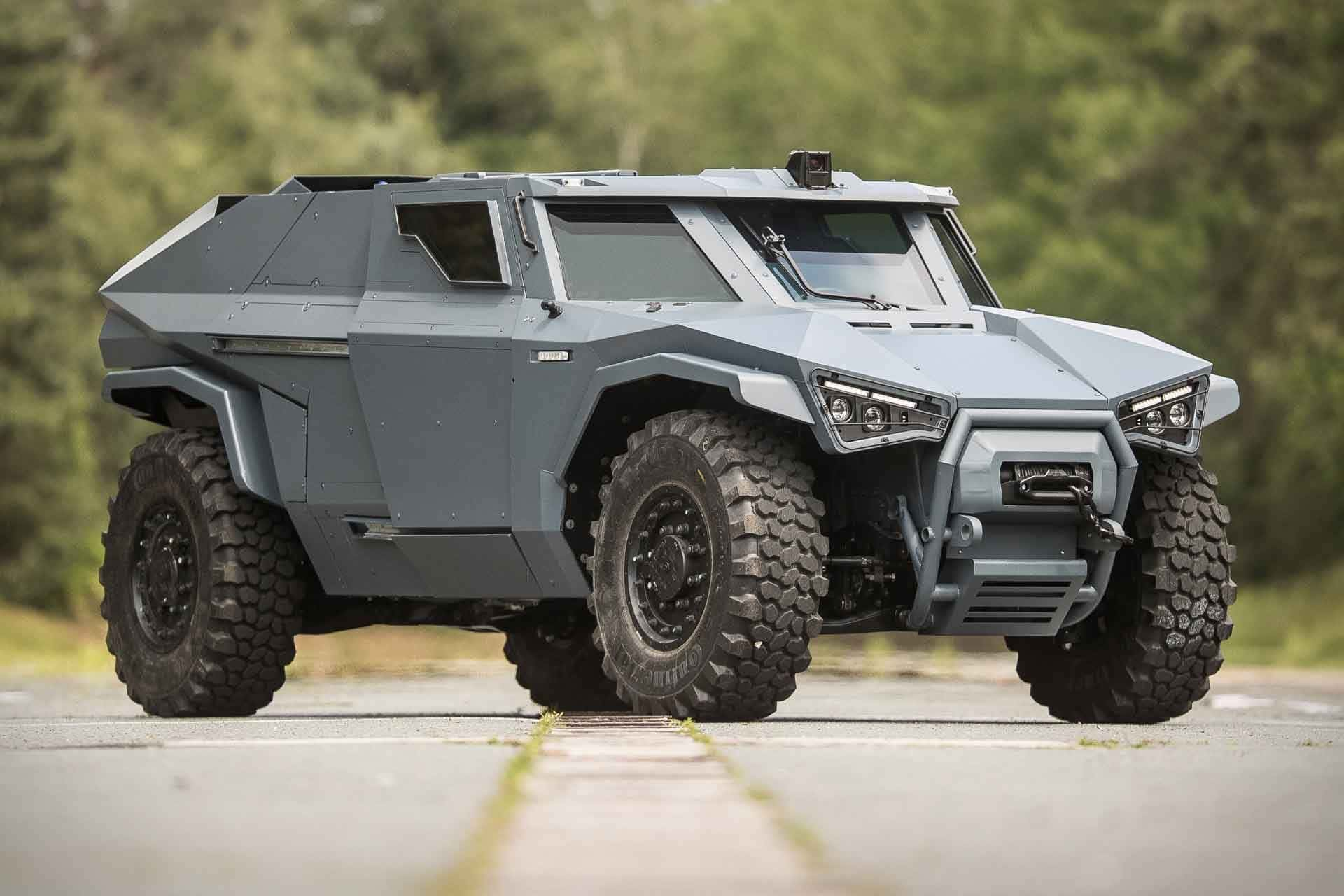
Arquus Scarabee Armored Vehicle
Saab Globaleye
Saab’s defense and security division produced the Globaleye, a long-range business jet with a suite of sensors, including the Erieye ER radar and mission system. This aircraft operates from 30,000 feet in the air and has a range of 450 kilometers.
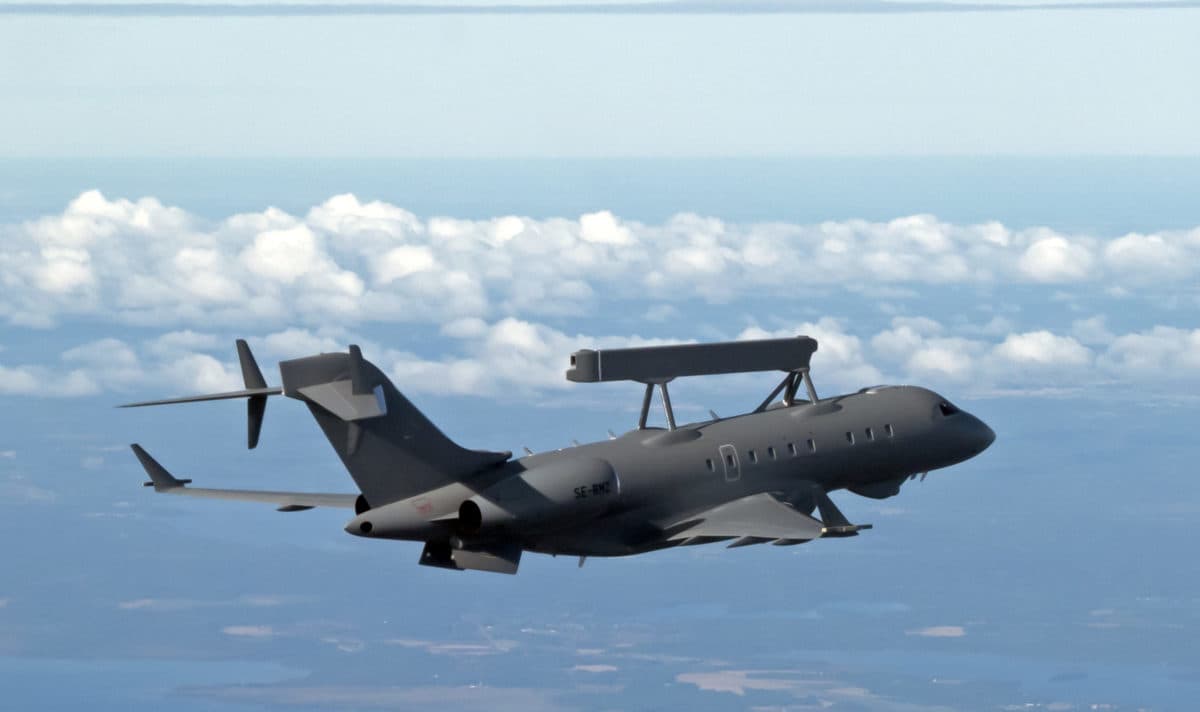
Saab Globaleye
Guardium Unmanned Ground Military Vehicles
The Guardium Unmanned Ground Military Vehicle is a compact patrol vehicle capable of hauling 1.2 tons of weapons, sensors, or cargo. It is used by the Israeli Defense Forces as a force multiplier, with the best endurance among all ground drones globally. It can operate for 48 hours in cruise mode or 24 hours in combat mode, and it can be operated fully autonomously or remotely.
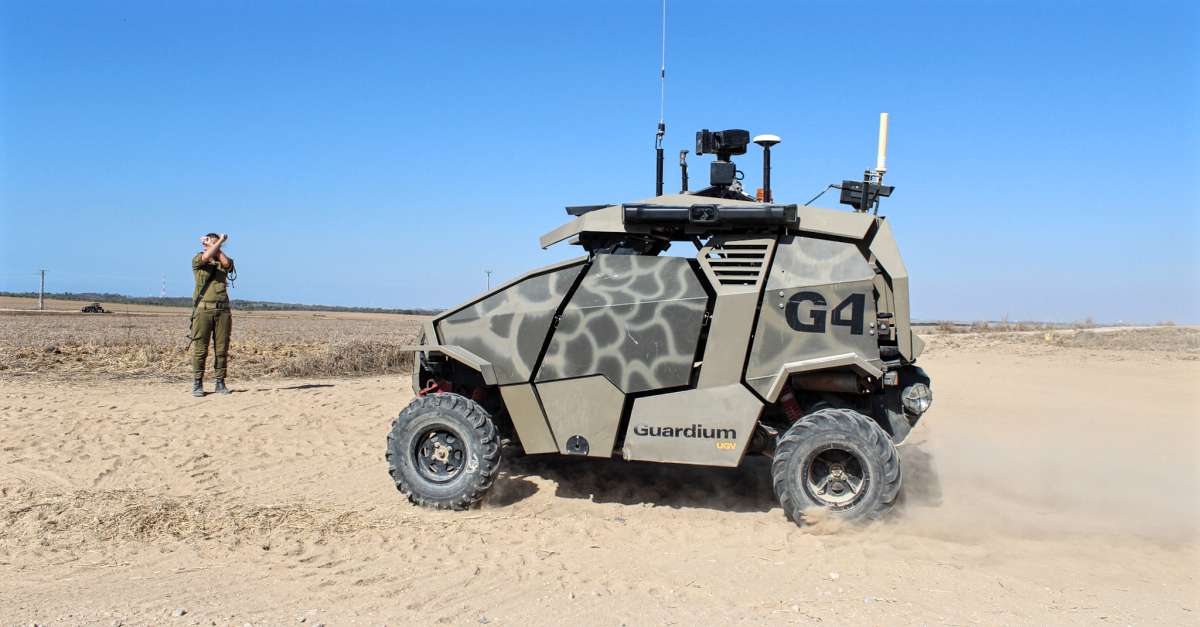
Guardium Unmanned Ground Military Vehicles
TERN Program
DARPA’s TERN Program is a small uncrewed aerial vehicle that can be used on decks with limited space and rough seas. Its name stands for “Tactically Exploited Reconnaissance Node,” and it is capable of landing and taking off on its tail.
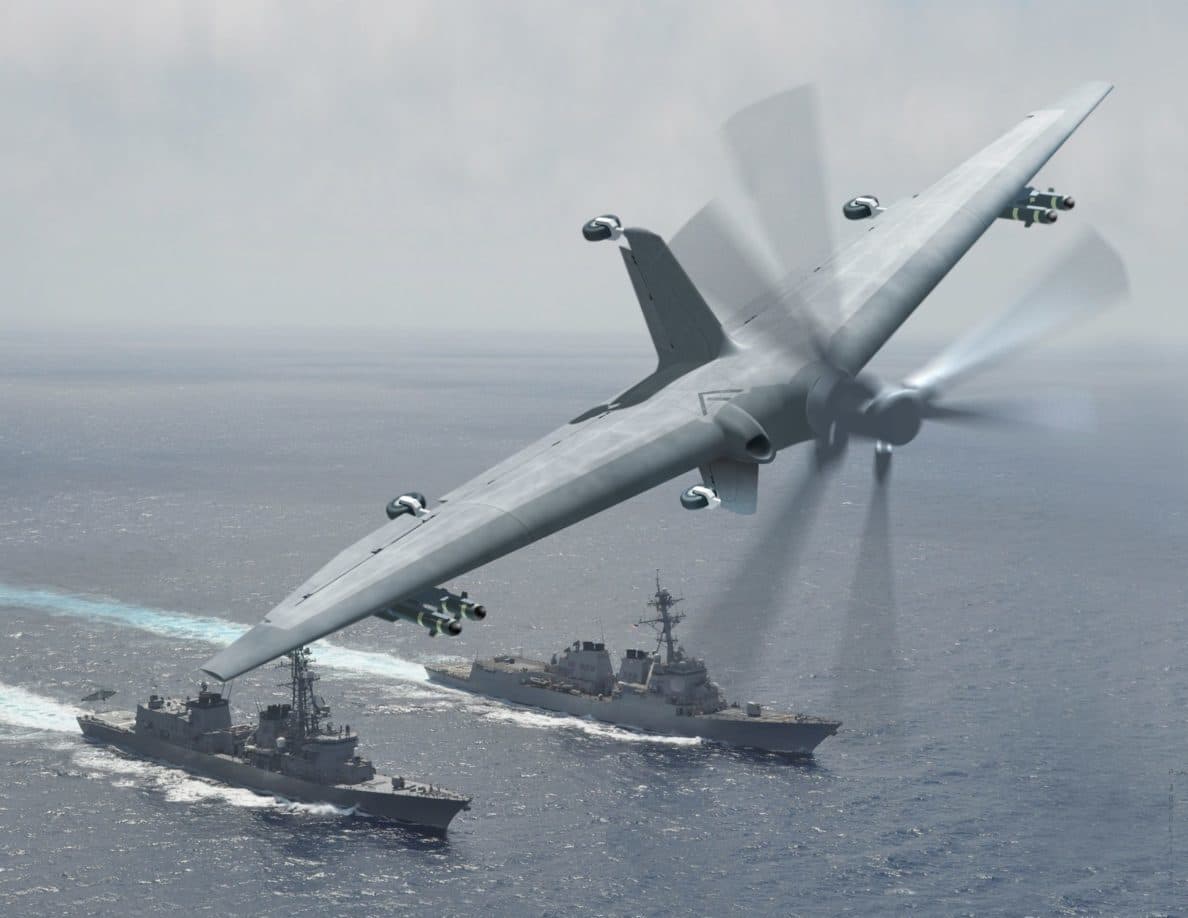
TERN Program
Artillery Gun Module (AGM) Self-Propelled Howitzer
The AGM Self-Propelled Howitzer is a completely automated and light artillery piece that can be transported and airdropped by medium-sized transport planes. Its modular control component and main gun can be fitted to different truck and track frames, and specialized personnel are not needed to operate it.
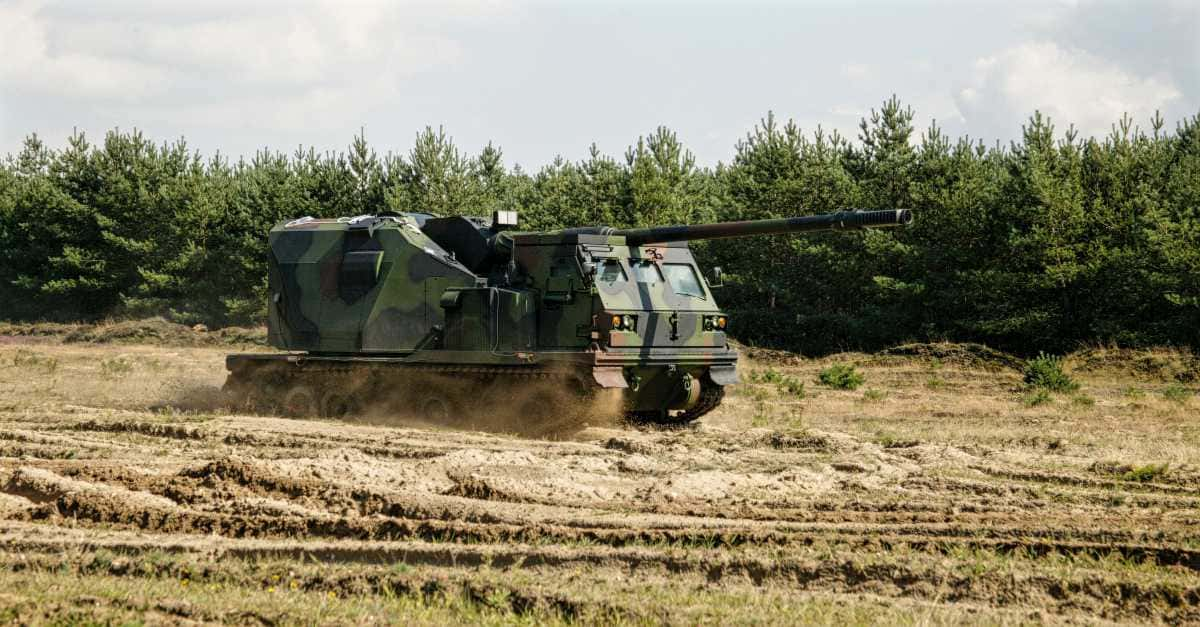
Artillery Gun Module (AGM) Self-Propelled Howitzer
Ghost Fleet Overlord Program
The Ghost Fleet Overlord Program is a NAVSEA program that aims to build, purchase, and maintain the fleet of ships and combat systems of the U.S. Navy. One of its two test vessels has completed two autonomous transits of 4 days, traveling 3,200 nautical miles across 181 hours of autonomous operation.
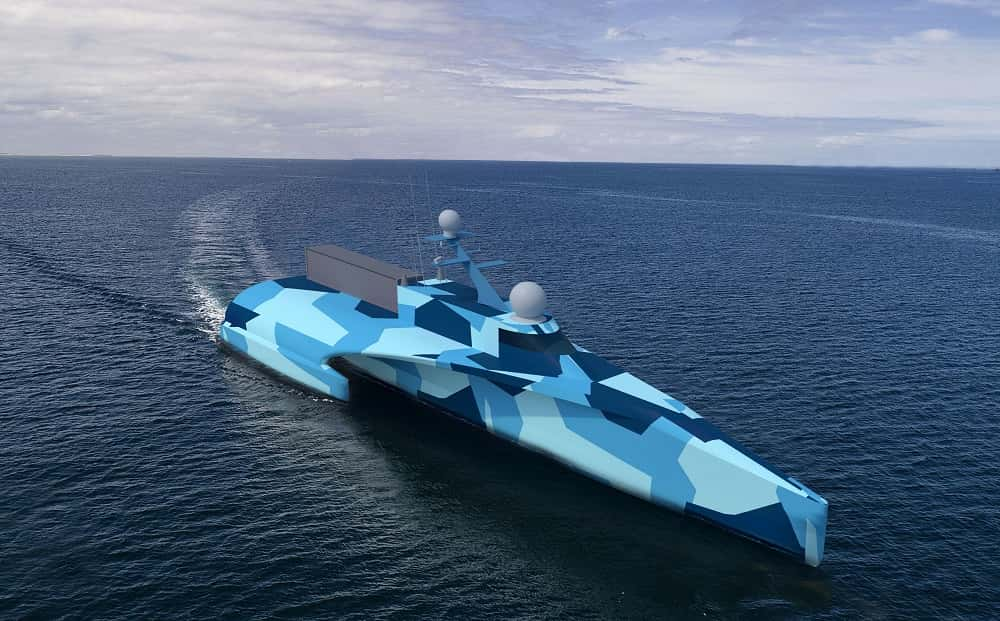
Ghost Fleet Overlord Program
Sea Hunter
The Sea Hunter, also known as the Anti-Submarine Warfare Continuous Trail Unmanned Vessel or ACTUV, is an autonomous anti-submarine ship launched in 2016. It is part of the DARPA ACTUV program and built by Vigor Industrial. The ship is quiet and designed to detect and neutralize quiet submarines near the shore.
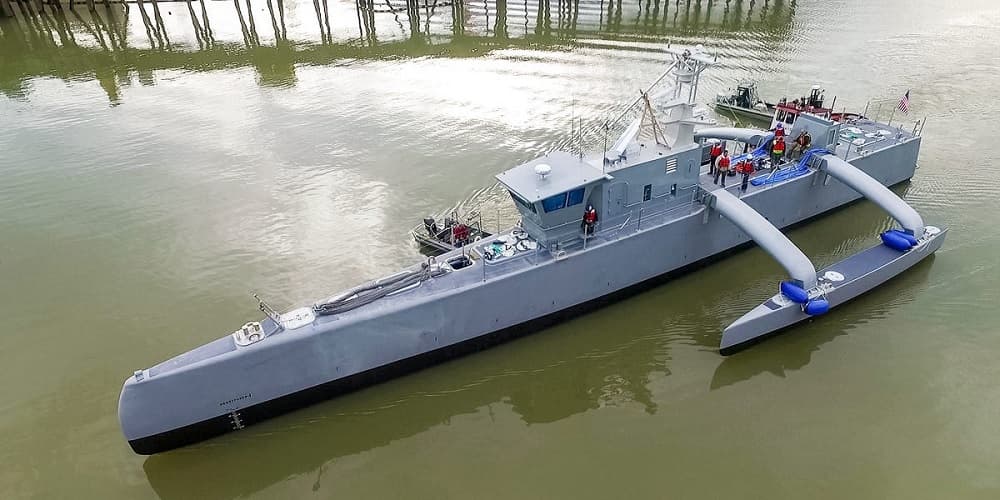
Sea Hunter
Gladiator TUGV
The Gladiator TUGV is a modified bomb disposal machine developed for the Marine Corps. It is armored to withstand small arms fire and is among the first combat drones in service. Its multi-mission remote battle station can use anti-personnel and anti-vehicle weapons, mount sensors for reconnaissance, and supply troops with necessary equipment.
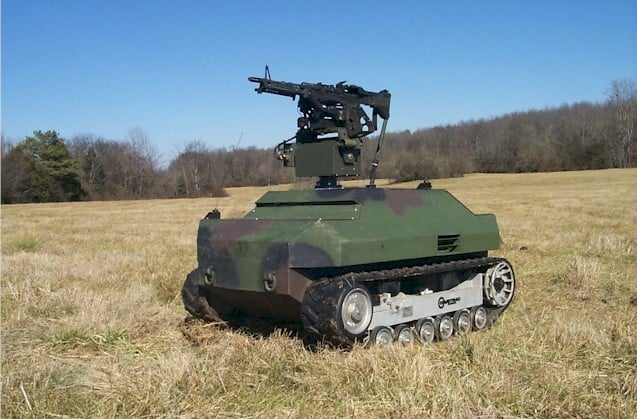
Gladiator TUGV
Northrop Grumman B-21 Raider
The B-21 Raider is a Long-Range Strike Bomber developed by Northrop Grumman for the Air Force. It is a stealth drone bomber capable of flying at high altitudes and will likely be used for delivering nuclear payloads.
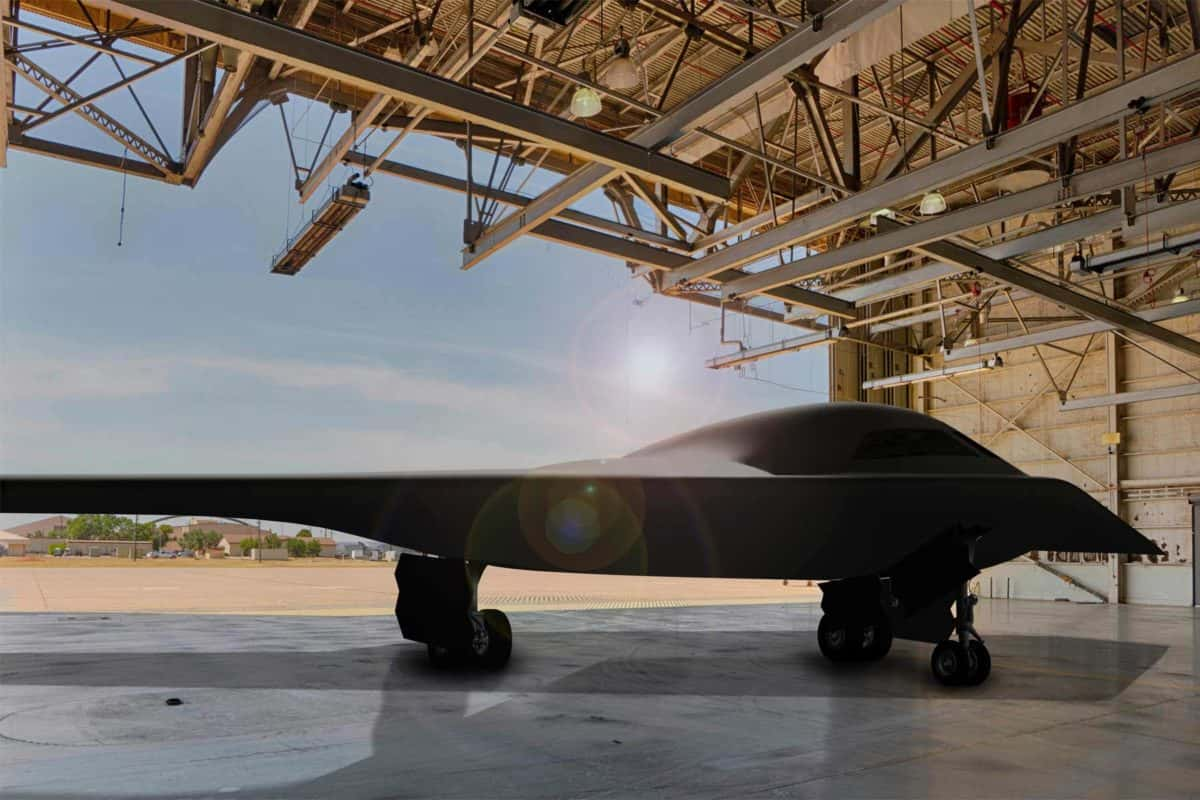
Northrop Grumman B-21 Raider
“RoBattle” Unmanned Ground Vehicle
The RoBattle is a 7-ton drone that can lead combat formations and attack the enemy head-on. It has six independent wheels that can be switched with tracks and a remote weapons station capable of mounting heavy weapons such as 25 mm Bushmaster cannons and TOW missiles.
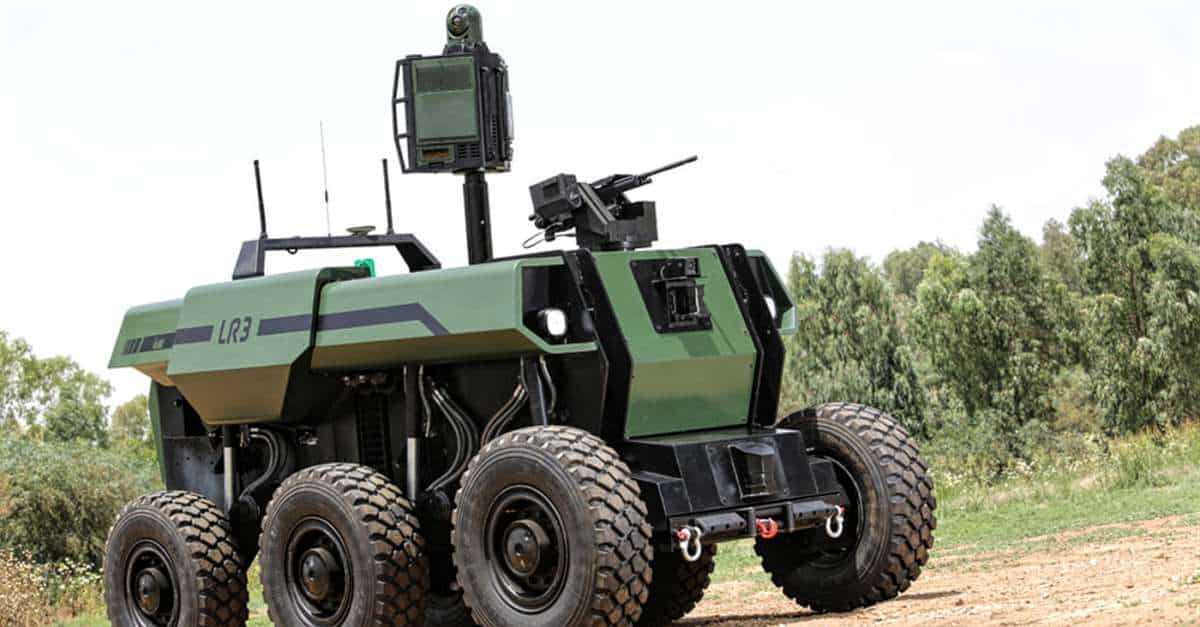
“RoBattle” Unmanned Ground Vehicle
UH-19XRW Hoverwing
The Hoverwing UH-19XRW is a remarkable amphibious vehicle that combines the features of a hovercraft and an airplane. It can carry up to 1,200 pounds of cargo and has a range of 140 miles, with a top speed of 75 mph. Moreover, the hovercraft can cruise at an altitude of six feet above the ground, making it a versatile and valuable asset to the military. Its outstanding capabilities have attracted the attention of the armed forces.
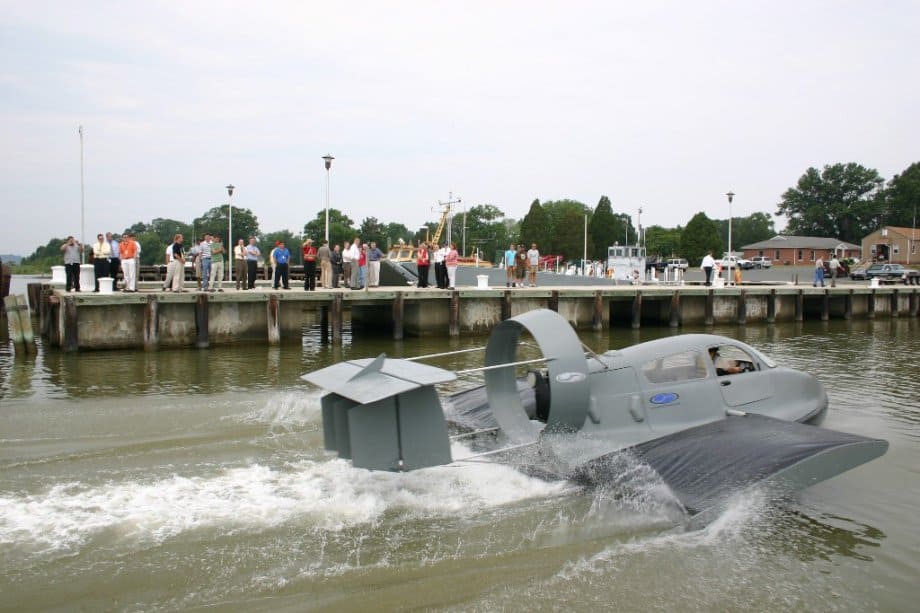
UH-19XRW Hoverwing
Kratos BQM-167A
The Kratos BQM-167A is an unmanned aerial vehicle that resembles a fighter jet in its design. Its primary function is to train pilots in the proper release of active weapons. With a turbojet engine and a fuel capacity of 135 gallons, it can carry up to five gallons of smoke oil. The BQM-167A was developed and produced by Composite Engineering Inc. and is a valuable asset to the military.
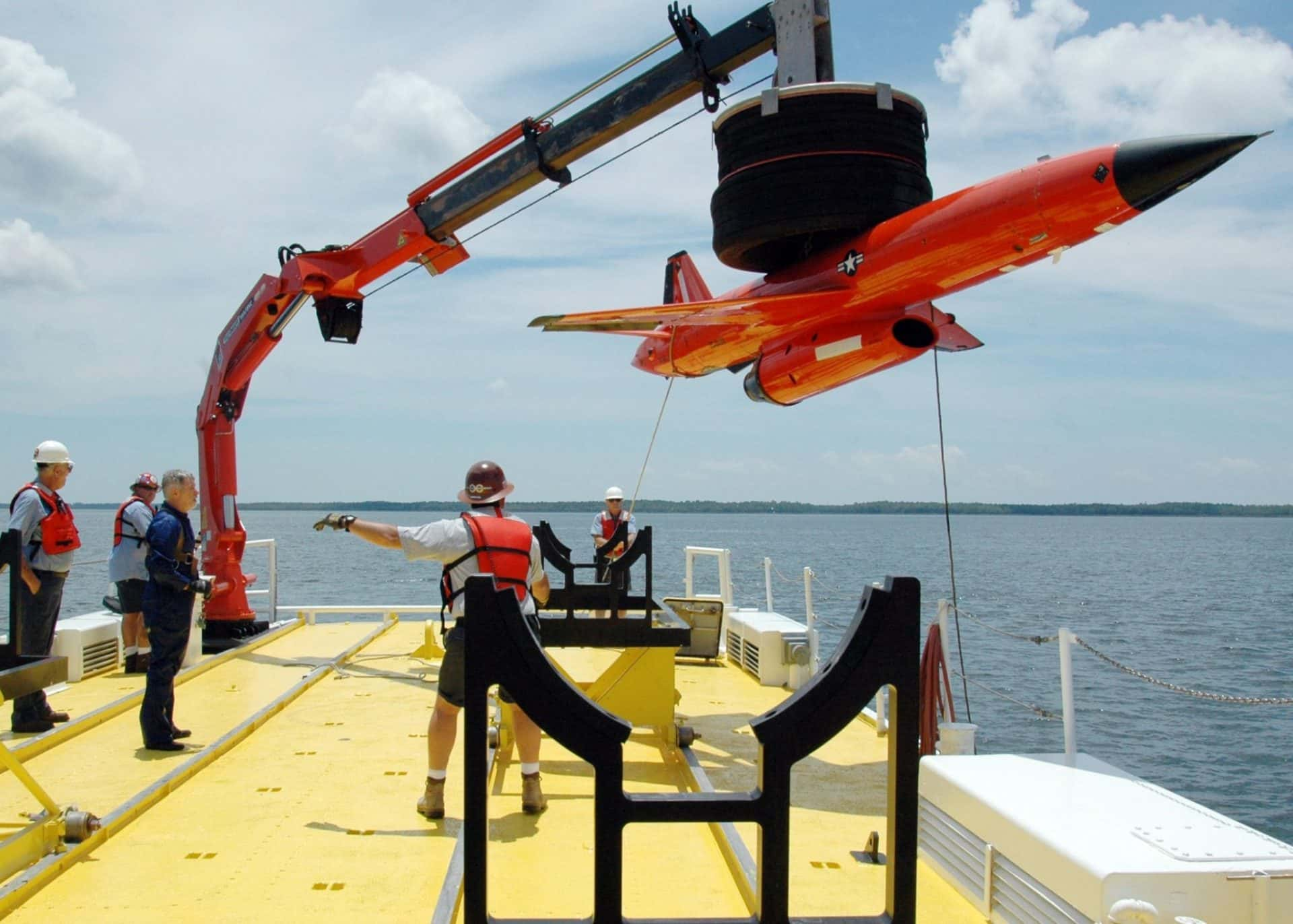
Kratos BQM-167A
Ripsaw MS-1
The Ripsaw MS-1 is an unmanned light tank that is the fastest among all tracked military vehicles, with a top speed of 95 mph. It serves as the base chassis for various support military vehicles, armored personnel carriers, and drone tanks. The core version of the Ripsaw MS-1 is among the most nimble and agile armored vehicles globally, and each variant costs less than a million dollars. We can expect to see the Ripsaw MS-1 deployed in large numbers soon.
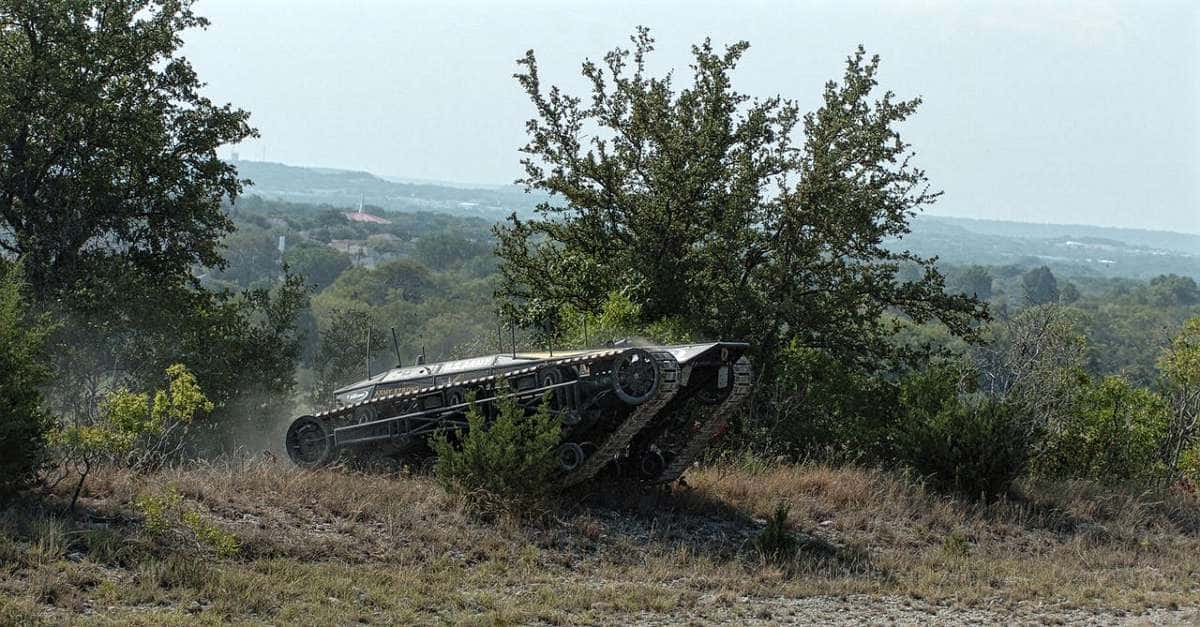
Ripsaw MS-1
Army Futures Command All-Terrain Vehicles
The Army Futures Command All-Terrain Vehicles, also known as “The Vehicle That Shall Not Be Named,” recently underwent testing at Texas A&M along with other ATVs. It performed well in mobility, consistency, and radar functionality, carrying a 1,000-pound payload while traveling on paved roads, off-road, and cross-country terrain at 15 to 75 mph. It is a versatile vehicle that will be a valuable asset to the military.
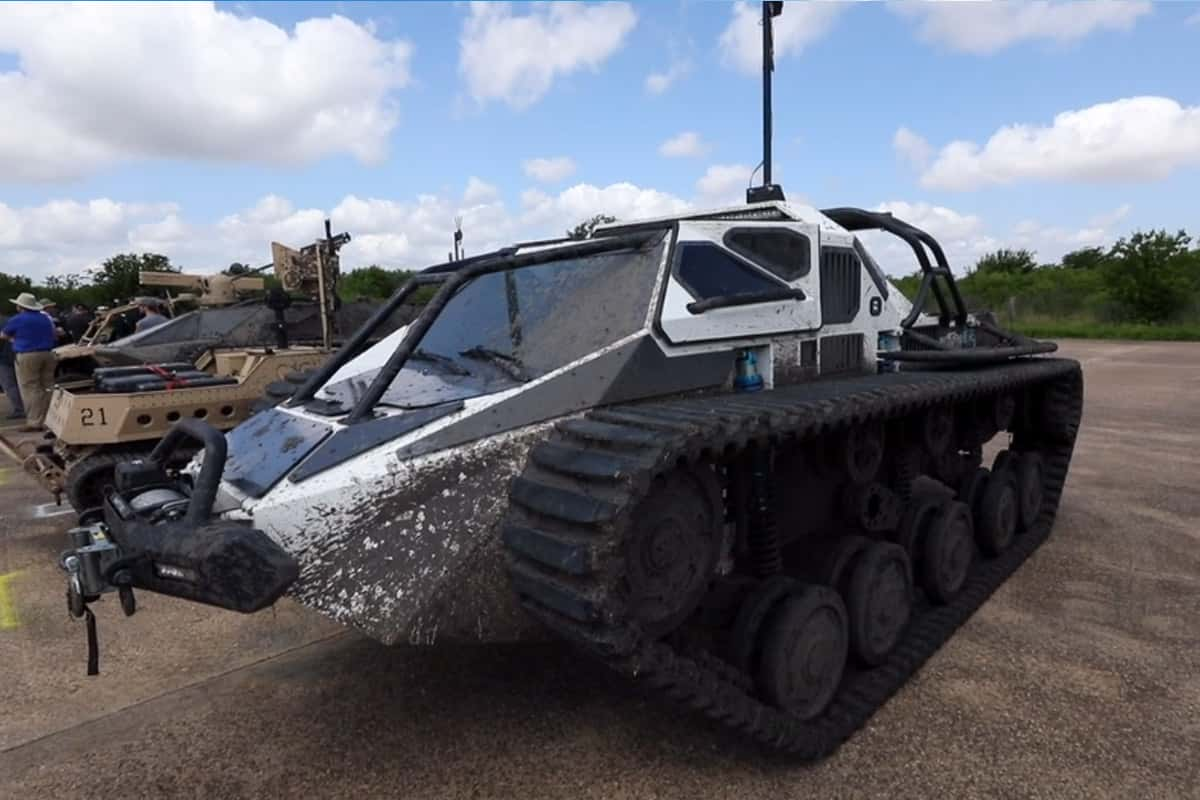
Army Futures Command All-Terrain Vehicles
Oshkosh M-ATV
The Oshkosh M-ATV is a small but powerful patrol car that replaced the HUMVEE and has combat capabilities. Compared to its predecessors, it is faster and more maneuverable and provides better protection from IEDs and rockets. Equipped with Warlock electronic IED jammers and a CROW remote weapon station, production of the Oshkosh M-ATV began in 2009. It is a valuable asset to the military.
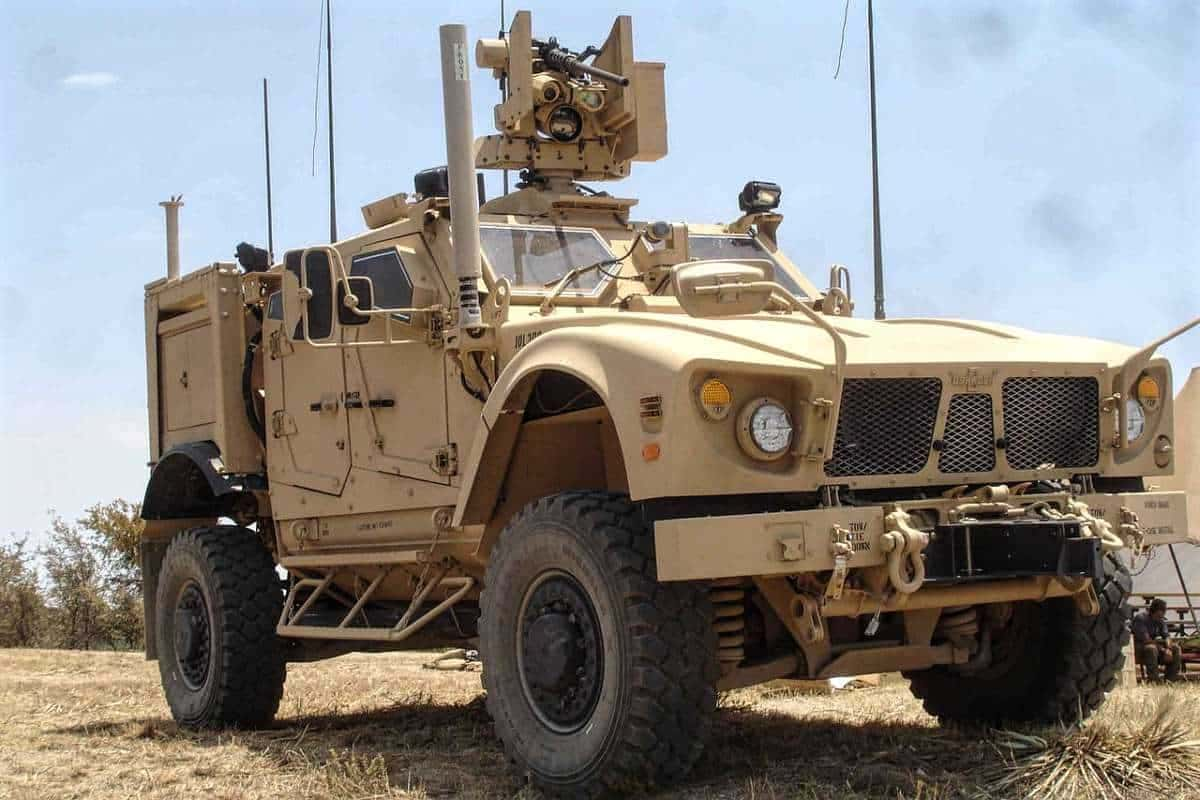
Oshkosh M-ATV